

Assessing Sustainable, Equitable and Rapidly Deployable Carbon Dioxide Removal Technologies
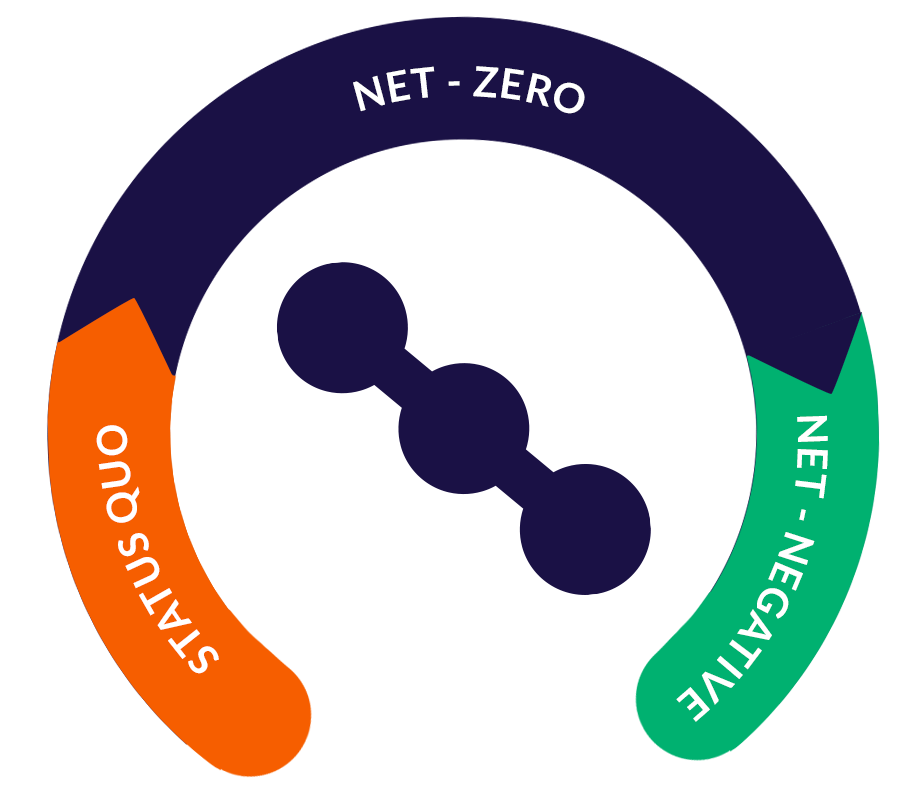
In this initiative, funded primarily by Environment and Climate Change Canada (ECCC), an interdisciplinary team of researchers is assessing the role for sustainable, equitable, cost-effective and rapidly deployable carbon dioxide removal (CDR) technologies in meeting Canada’s net-zero targets. We will identify and assess the cost, environmental impact and scalability of CDR technologies; ways in which CDR deployment will be shaped by (and shape) law and governance, stakeholder and community perceptions; and trade-offs inherent in developing supportive legislation and policies for CDR in Canada towards a 2050 net-zero goal.
The CanCO2Re initiative brings together experts from a range of fields, including engineering, science, history, political science and economics. While the initiative is housed at the University of Calgary, we have participating experts from the University of Alberta, University of Toronto, Simon Fraser University and the Pembina Institute. We are also collaborating closely with Natural Resources Canada’s CanmetENERGY laboratory.


Enhanced rock weathering has greater promise as a sustainable farming practice than a CO2 removal technology
JONATHAN SPENCE • SASHA WILSON
PROJECT RESEARCH AREA - ACTIVITY 6
Dynamic carbon footprint trade-off between carbonation curing, mineral carbonation and natural carbon uptake in concrete blocks
MAZIAR JAVADPOUR • SEAN MCCOY • SYLVIA SLEEP
PROJECT RESEARCH AREA - ACTIVITY 6

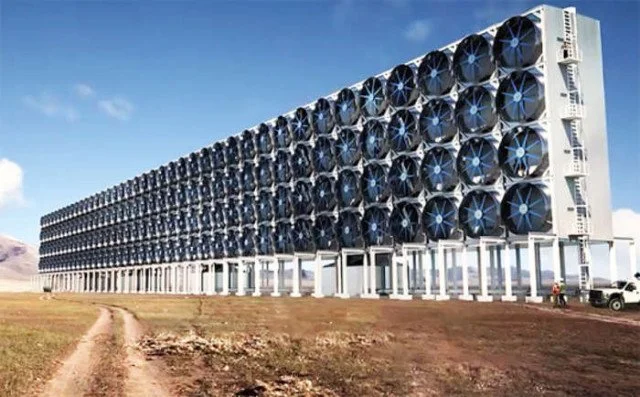
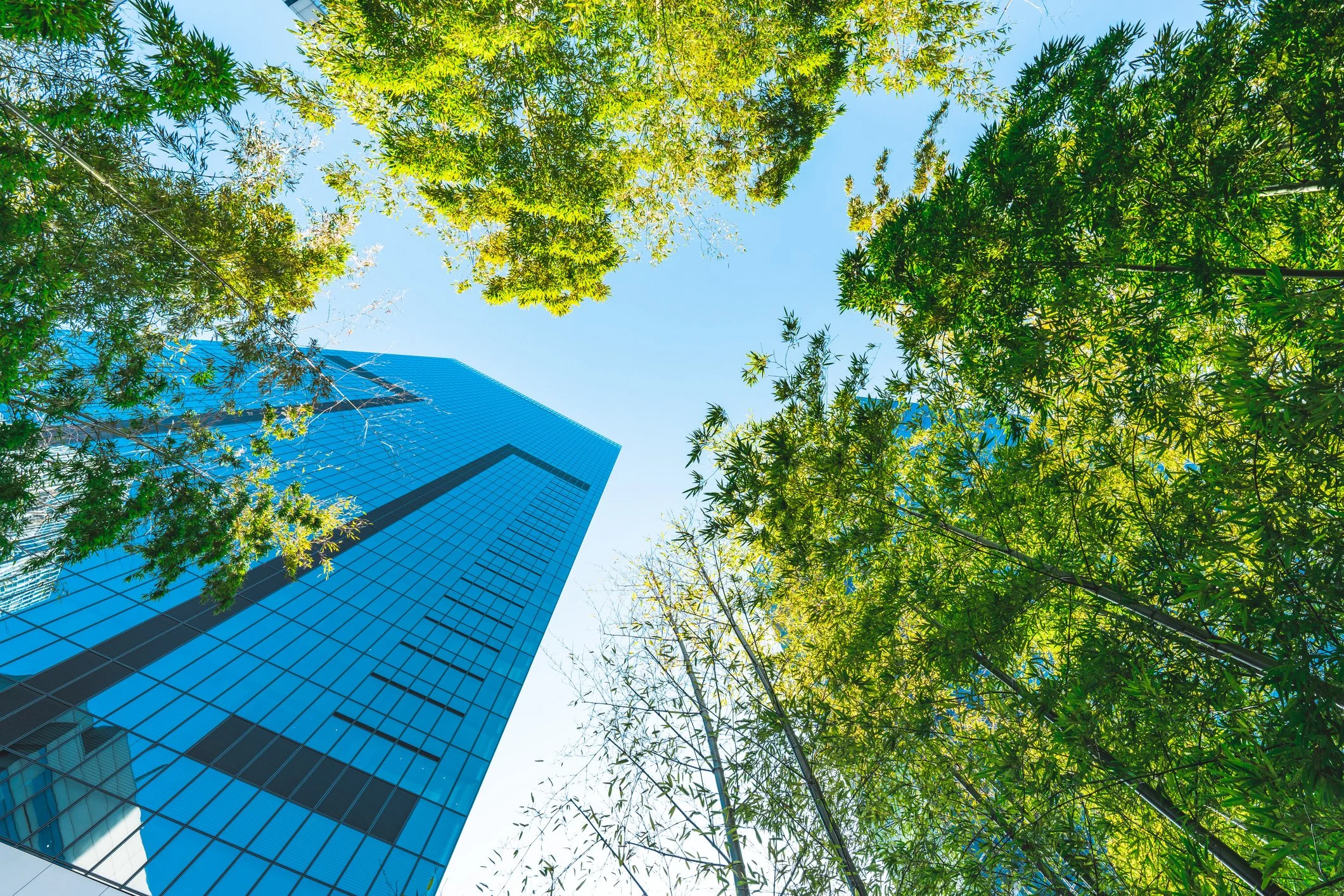

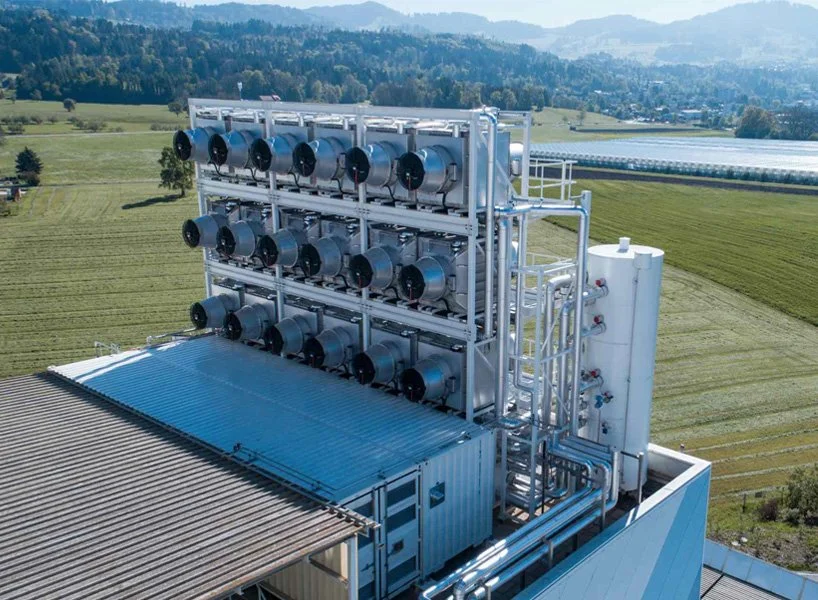


Carbon dioxide removal (CDR) are processes that take CO₂ out of the air and store it safely for a long time, helping to address climate change.